
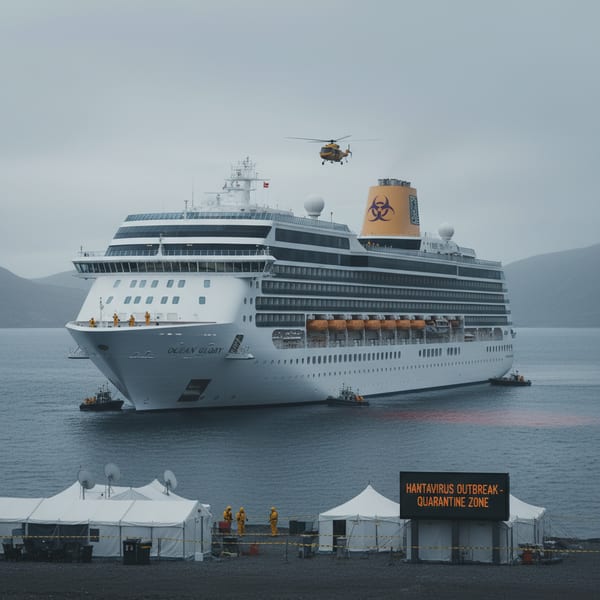
A deadly hantavirus outbreak originating on a South American cruise ship has reached Europe after a Swiss passenger tested positive following his return home, sparking international alarm as the infected vessel remains stranded at sea with multiple countries refusing to allow it to dock.
Swiss Man Tests Positive After Cruise
Swiss health authorities confirmed Wednesday that a male passenger from the MV Hondius cruise ship tested positive for hantavirus after returning home with his wife last month. The man sought testing at a Zurich hospital after cruise operator Oceanwide Expeditions notified recent passengers about the spreading virus. His current condition remains unclear, while his wife shows no symptoms but has entered self-isolation as a precautionary measure. Local authorities insist there is currently no risk to the Swiss public.

The outbreak has already claimed three lives and sickened at least five people, according to the World Health Organization. Maria Van Kerkhove, the WHO’s director for epidemic and pandemic preparedness and prevention, told reporters Tuesday that officials believe human-to-human transmission is occurring among very close contacts. The virus can remain dormant for up to eight weeks, making containment particularly challenging and creating widespread concern about potential spread.
International Standoff Over Docking Rights
The MV Hondius remains stranded in West African waters after Cape Verde denied the vessel permission to dock due to health concerns. Spanish Prime Minister Pedro Sanchez granted the ship authorization to dock in the Canary Islands, but regional leader Fernando Clavijo rejected the decision. Clavijo told local media he cannot allow entry to the Canary Islands, stating the danger to the population is real and neither the populace nor the regional government can rest assured.
The Madrid government defended its position, saying Spain has a moral and legal obligation to assist those aboard, including several Spanish citizens. Under the Spanish constitution, the national government can overrule regional authorities, setting up a potential constitutional showdown between the socialist national leadership and conservative regional officials.
Rare Deadly Strain Suspected
Health officials believe the outbreak involves the Andes virus, a rare hantavirus strain that spreads between people and carries a 40 percent mortality rate. Unlike typical hantavirus transmission through rodent droppings, this strain poses unprecedented dangers through human contact. The eight-week dormancy period complicates containment efforts, as infected passengers may have already dispersed globally before showing symptoms. The crisis highlights the challenges nations face balancing humanitarian obligations against protecting their populations from emerging health threats.