
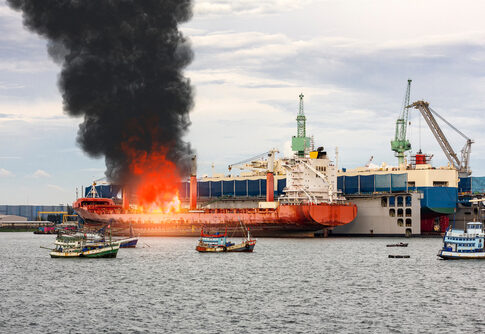
As Ukraine’s drones hammer Russian oil hubs, President Trump is pushing a high‑stakes phone‑call “solution” that could reshape the war — and global energy — overnight.
Story Snapshot
- Ukraine is hitting Russian oil terminals and refineries with long-range drones, aiming to choke off Putin’s war money.
- Kyiv claims over 42% of Russia’s refining capacity is disabled, driving fuel shortages across Russia’s vast territory.
- President Trump and Vladimir Putin have held lengthy calls about a ceasefire and energy strikes, but Putin still demands major concessions.
- Trump is pressing for talks while Ukraine keeps striking oil sites, raising big questions for U.S. energy prices and national security.
Ukraine’s “long‑range sanctions” on Russian oil
Ukrainian forces are now striking deep inside Russia, targeting oil terminals, ports, and refineries with long‑range drones. President Volodymyr Zelenskyy described the recent St. Petersburg oil terminal hit as part of Ukraine’s “long‑range sanctions,” aimed at the infrastructure that earns money for Russia’s war. These drones flew hundreds of miles to hit a major fuel hub in Putin’s home region, showing how far Ukraine’s reach has grown. The clear goal is simple: cut off Putin’s cash and fuel so his invasion grinds down.
Kyiv’s military says this wider campaign has now disabled about 42.74% of Russia’s oil refining capacity, with at least eight refineries and more than 60 storage tanks destroyed or damaged. Western outlets report that Ukrainian strikes on Russian energy sites have become almost routine and are causing serious fires and shutdowns at refineries and export terminals. Ukraine openly argues that oil and gas facilities are fair game, because Moscow leans on fossil fuel exports to fund the war. In other words, Ukraine is trying to win by attacking Russia’s economic lifelines, not just its tanks.
Fallout inside Russia: fuel shortages and economic strain
Russian officials now admit the pain from these strikes. President Vladimir Putin has acknowledged a “certain shortage” of fuel at home after repeated hits on refineries. Fuel bans and limits on gasoline sales have spread across dozens of Russian regions and annexed Crimea as Moscow struggles to keep pumps supplied. Reports say Ukraine’s attacks have knocked out roughly 10% of Russia’s refining capacity in some waves, forcing shutdowns and cutting oil output. Those kinds of hits ripple far beyond the battlefield, driving up transport costs, squeezing families, and putting heat on Putin’s grip over his own people.
At the same time, Russia’s governors try to downplay damage, often stressing “no casualties” after major fires and drone swarms. They highlight how many drones air defenses shoot down, like the 72 unmanned aircraft reportedly intercepted over the Leningrad region in one recent attack. That spin is meant for domestic audiences, but outside analysts see a different story: growing economic stress, forced production cuts, and a Kremlin scrambling to patch holes in its energy network. For conservatives watching from America, it is a live example of how energy policy and security are tightly linked.
Trump’s phone‑call “solution” and Putin’s hard line
Against this backdrop, President Trump has leaned hard into personal diplomacy with Putin. In his second term, he has held long calls with the Russian leader about ending the war and curbing strikes on energy infrastructure. After one such call, Trump ordered his national security team to “immediately” begin negotiations aimed at stopping Russia’s war on Ukraine. He has talked about ceasefires, prisoner swaps, and possible pauses in attacks on energy sites, casting these as steps toward a bigger peace deal. For many conservative Americans tired of endless foreign wars and massive aid bills, any serious push to stop the bloodshed and protect U.S. interests gets their attention.
Putin, however, is still driving a hard bargain. Kremlin readouts of conversations with Trump show that Putin repeats demands for broad ceasefires that freeze Russian gains in place and calls for an end to Western military and intelligence support to Kyiv. Ukrainian leaders have refused to surrender occupied land or accept terms that reward invasion, even as they signal openness to limited pauses on energy strikes as a first step. Trump has publicly floated ideas like stopping the war “where it is” and letting both sides claim victory, but that clashes with Ukraine’s insistence on full sovereignty over its territory. The result is a messy, ongoing debate over whether fast deals risk locking in tyranny or offer a path out of a grinding conflict.
What it means for U.S. patriots, energy, and the Constitution
For American conservatives, this story is not just “over there.” Ukraine’s campaign against Russian oil and gas raises real stakes for world fuel prices, supply lines, and the strength of our own energy independence. If Russian output drops while the Persian Gulf stays volatile, markets can turn fast, and working families at home feel it at the pump. At the same time, the war is testing whether Washington will keep writing giant checks and shipping advanced weapons, or demand stronger limits that respect our Constitution, Congress’s war powers, and basic fiscal sanity. Trump’s calls with Putin sit right at that crossroads, where peace talks, energy policy, and America’s role in the world all collide.
Ukraine’s drone strikes show how small, cheap systems can now threaten huge energy assets a thousand miles away. Trump himself has remarked on how drones have become “such a factor” in modern war, and he is not wrong. That technology will not stay in Europe; enemies of the United States are watching and learning. Conservatives who care about secure borders, strong deterrence, and protection of critical infrastructure should follow these developments closely. Done right, a real peace deal that stops Russia’s aggression, protects Ukraine’s sovereignty, and stabilizes energy flows would be a win for American workers, our military, and our founding values. Done wrong, it could embolden dictators and raise costs for every family that depends on reliable fuel and a stable dollar.
Sources:
independent.co.uk, apnews.com, telegraph.co.uk, aljazeera.com, news.sky.com, reuters.com, bbc.com, npr.org, kyivindependent.com, facebook.com, en.wikipedia.org, youtube.com, mickryan.substack.com, bakerinstitute.org