
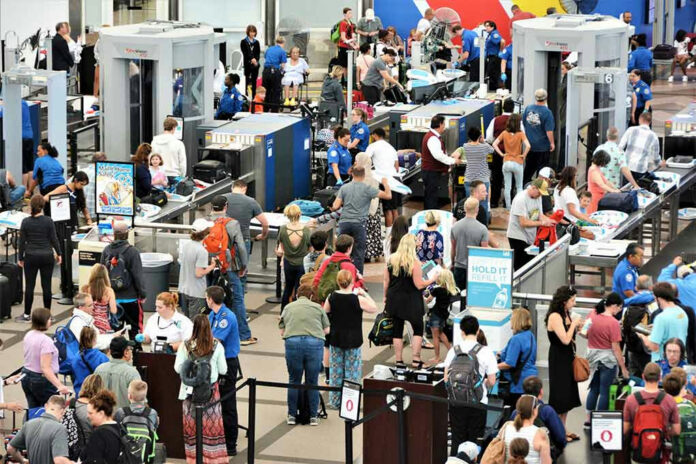
American families planning summer vacations face a harsh reality as jet fuel prices have nearly doubled, driving airfare increases that threaten to put travel out of reach for millions of working-class households.
Geopolitical Turmoil Drives Fuel Shock
Jet fuel prices began climbing sharply in late February 2026 following conflict escalation involving Iran and regional powers. By early April, jet fuel reached approximately $200 per barrel in some markets, representing a doubling of costs in just weeks. This geopolitical supply shock differs from typical seasonal demand patterns, creating uncertainty about how long elevated prices will persist. The rapid price acceleration has left airlines scrambling to protect their operating margins during what should be their most profitable season.
Airlines Deploy Multi-Pronged Pricing Strategy
Major carriers including United Airlines, Delta Air Lines, American Airlines, and Southwest have responded by raising base fares, adding fuel surcharges, and increasing checked baggage fees. United Airlines is reportedly considering flight cuts and schedule reductions to manage the cost pressure. International routes have seen especially steep increases, with some European economy fares jumping significantly. This coordinated response reveals how airlines prioritize margin protection over affordability, leaving consumers with fewer options as discount fare buckets disappear from booking systems.
Working Families Bear the Burden
Price-sensitive travelers and families planning summer vacations face the steepest burden from these increases. While premium travelers can absorb higher costs and business travel remains resilient, ordinary Americans find their vacation budgets squeezed by forces beyond their control. Regional and secondary airports may lose service entirely if airlines cut capacity on less profitable routes. Henry Harteveldt of Atmosphere Research Group advises travelers not to wait for prices to fall, effectively telling families to pay now or pay more later. This dynamic underscores how global policy failures and geopolitical instability directly impact the pocketbooks of everyday citizens.
Broader Economic Warning Signs
The fuel-driven airfare surge carries implications beyond summer vacation plans. Higher travel costs reduce disposable income for millions of households, potentially dampening consumer spending across other sectors. The situation also exposes which airlines hedged effectively against fuel volatility and which did not. Phil Flynn of The PRICE Futures Group notes that carriers without proper hedging face the most severe margin pressure, potentially leading to consolidation or failures among weaker operators. If fuel prices remain elevated, expect capacity cuts on marginal routes, reduced competition, and a two-tiered system where only affluent travelers can afford mobility.
Rising Jet Fuel And Ticket Prices Could Disrupt Summer Air Travel https://t.co/e5qjhNa7cn
— zerohedge (@zerohedge) May 13, 2026
The summer travel disruption reveals a familiar pattern: when Washington’s foreign policy decisions or regulatory failures create market shocks, ordinary Americans pay the price while the well-connected remain insulated. Families who saved all year for a vacation now face a choice between canceling plans or paying significantly more. Industry analysts suggest booking immediately and using loyalty points where possible, but that advice offers little comfort to households without point balances or credit card rewards. This fuel crisis demonstrates once again how government mismanagement and global instability erode the purchasing power and quality of life for working Americans.
Sources:
Rising fuel costs could make summer travel more expensive – Marketplace
Planning to fly this summer? Book now before prices surge – CBS News
Soaring jet fuel prices threaten to drive up summer travel costs – FOX5DC