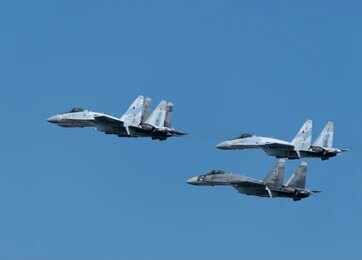
A Navy jet roared so low over Pensacola Beach that it knocked over tents and chairs, and now the Blue Angels are under review for how close they came to a packed crowd.
Story Snapshot
- A Blue Angels jet flew lower than its normal profile during a beach arrival maneuver, sending sand and gear flying.
- The U.S. Navy says it is conducting a safety review to confirm the flyover met strict federal rules.
- Witnesses describe both fear and excitement, saying they had never seen the jet come that close before.
- The incident adds to broader worries about government safety oversight and elite military teams pushing the limits.
Low Flyover Turns “Breakfast with the Blues” into Beach Chaos
Wednesday morning at Pensacola Beach, a single Blue Angels jet blasted over the shoreline during the “Breakfast with the Blues” event and flew lower than its standard arrival path. The pass created a powerful shockwave of wind that sent sand, hats, tents, and beach chairs tumbling, startling families who expected a routine practice flight. Cellphone videos quickly spread online, showing umbrellas flipping and people ducking as the jet passed just above the waterline.
Beachgoers say they have watched the Blue Angels for years and have never seen a pass that close to the crowd. One long-time visitor told local news, “I literally thought we were going to be taken out,” capturing both the fear and awe many felt in the moment. Others said the aircraft looked huge because it was so close and described all their tents being knocked down by the blast of air. Many still called the sight “thrilling” and “awesome,” even as they picked up scattered gear.
Navy Launches Safety Review and Cites Strict Standards
The Blue Angels released an official statement confirming that, “during an arrival maneuver, an aircraft flew lower than standard profiles, resulting in a disturbance on the beach that affected civilian chairs and umbrellas.” The squadron stressed that “the safety of our hometown community, spectators, and our pilots is our highest priority” and said team leaders are reviewing the flyover to ensure every maneuver follows strict United States Navy and Federal Aviation Administration (FAA) safety rules. No injuries or direct damage to structures have been reported so far.
Officials are now studying video, flight data, and weather to decide whether the low pass stayed inside allowed limits or crossed a line. That review matters beyond one beach: if they find the jet came too low, the Navy could face pressure to change future shows and cut back on dramatic close passes that crowds have come to expect. On the other hand, if investigators say everything was still technically safe, critics may ask whether current rules are strong enough when a single maneuver can scatter a packed beach.
Pattern of Risk: Thrilling Shows, Past Incidents, and Public Trust
This Pensacola pass fits a broader pattern where the Blue Angels perform high-energy maneuvers very close to people, buildings, and the ground, chasing maximum impact while trying to stay within safety margins. In 2021 at Naval Air Facility El Centro in California, a “sneak pass” flyby came within about 100 feet of buildings, causing more than $180,000 in damage and injuring roughly a dozen people. That incident forced the team to change parts of its show routine to reduce risk in similar passes.
The U.S. Navy's Blue Angels are conducting a safety review after a jet flew at unusually low altitude over a crowd at Pensacola Beach, Florida, on Wednesday.
The flyover occurred during the annual "Breakfast with the Blues" event, which opened Pensacola Beach Air Show Week.…
— GMitchell (@GMitchellDaily) July 16, 2026
Earlier Navy crash investigations show how small errors in speed or altitude during aerobatic maneuvers can turn deadly for pilots and dangerous for anyone nearby. In a 2016 Tennessee crash, a Blue Angels pilot started a split-S maneuver too fast and about 300 feet lower than required, leaving no room to recover. The Navy report called it pilot error and led to training and rule changes meant to keep demonstration flights inside safer boundaries in the future.
Why This Matters Beyond One Beach Flyover
For many Americans, this beach incident hits a nerve that goes beyond air shows. People on both the right and the left already doubt whether federal institutions truly put public safety ahead of image and excitement. Some see elite military display teams as symbols of national pride that must uphold strict standards, not push the limits until a mistake forces change. Others worry that government oversight only tightens after viral video or tragedy, instead of catching risky behavior sooner.
The Pensacola crowd’s mixed reaction – fear in the moment, thrill afterward, and questions about how close is too close – reflects a larger tension in the country. Americans want powerful, inspiring displays and trust in the skill of military pilots, but they also expect honest, transparent reviews when things go wrong or even “too close for comfort.” The Navy’s response to this low flyover will be one more test of whether the people running high-risk public events can show they are accountable to ordinary citizens, not just to their own traditions and reputations.
Sources:
mediaite.com, abcnews.com, avweb.com, youtube.com