Ireland’s working class has brought the republic to a standstill through coordinated fuel blockades, reigniting questions about who truly governs when ordinary citizens revolt against policies they never asked for.
When Town Halls Become Theater
The protesters didn’t wake up one morning and decide to blockade Ireland’s fuel infrastructure for entertainment. They held meetings first. They pleaded with officials. They asked for carbon tax suspensions and fuel price caps as costs rocketed beyond what working families could bear. Government representatives nodded politely, treated these gatherings as non-urgent box-checking exercises, and promptly ignored every word. That dismissal proved more galvanizing than any firebrand speech could manage. When institutions demonstrate they view citizens as inconvenient interruptions rather than constituents deserving responses, self-organization becomes the only rational path forward.
Blocking the Arteries of Commerce
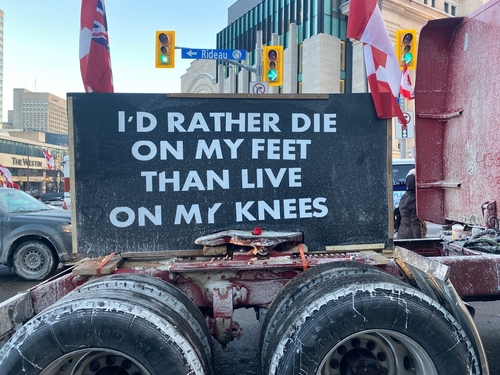
The first week of April 2026 saw coordinated action across Galway, Cork, Limerick, Wexford, and Dublin that paralyzed fuel distribution. At Galway Port, protesters prevented the tanker Thun Gemini, carrying six million liters of fuel, from docking. Truck and tractor convoys rolled onto O’Connell Street while bikers blockaded O’Connell Bridge. These weren’t random locations chosen for convenience. O’Connell Street holds profound symbolic weight as a site central to Ireland’s 1916 Easter Rising, when rebels declared independence from British rule. Occupying that ground sent an unmistakable message about sovereignty and self-determination that transcended fuel prices alone.
IRELAND: The Irish Patriots have had enough and have mobilized.
A large convoy of Irish truckers and tractors take over the roadways to protest the globalist parasites’ climate bullshit, which is threatening their way of life. It's grown so big the MILITARY had to be deployed. pic.twitter.com/CNULeNTcyr
— Charlie (@CScottHines) April 13, 2026
The Divide Between Rulers and Ruled
Government response revealed the chasm separating policymakers from those bearing the costs of their decisions. Minister for Justice Jim O’Callaghan dismissed the protests as manipulation by outside agitators like Tommy Robinson rather than addressing legitimate grievances. Riot police deployed to Galway and Cork. The army went on standby. Elite commentators deflected blame to external forces, foreign influence, anything except acknowledging their own failures. One farmer at the O’Connell Bridge rally captured the power shift succinctly: “We have the country by the balls.” That crude assessment contained more political insight than a thousand policy white papers explaining why carbon taxes serve the greater good.
Europe’s Pattern of Discontent
Ireland’s fuel revolt didn’t emerge in isolation. French gilet jaunes protests erupted in 2018 when diesel taxes pushed working-class budgets past breaking points. Recent farmer protests swept across Europe as agricultural communities rejected emissions regulations threatening their livelihoods. Each movement shared common threads: policies designed by urban elites imposing disproportionate costs on rural and working populations, government indifference to escalating living expenses, and growing suspicion that international climate commitments matter more to officials than citizens’ ability to afford groceries and fuel. Ireland’s protests fit this established pattern while adding distinctly Irish elements through historical symbolism and cross-border solidarity extending into Northern Ireland.
Who Pays for Green Ambitions
Carbon taxes and eco-policies carry noble intentions on paper. Reducing emissions sounds responsible until working people calculate what filling their tanks costs when fuel approaches 220 cents per liter. Truckers operating on thin margins face ruin. Farmers can’t afford diesel for equipment. Urban workers watch grocery prices climb as transport costs cascade through supply chains. The protesters aren’t climate deniers rejecting science. They’re people asking why policies combating global problems consistently extract the highest prices from those least able to pay them. When government presents cattle culls for emissions targets while citizens struggle to heat homes, the priorities appear inverted beyond any reasonable justification.
The Absent Left and Digital Organization
Traditional labor unions and left-wing parties that historically championed working-class interests remained conspicuously absent from Ireland’s fuel protests. These institutions have drifted toward identity politics and boutique cultural issues while bread-and-butter economic concerns affecting ordinary workers get dismissed as retrograde distractions. That vacuum left protesters organizing through digital networks without institutional support, creating decentralized movements harder for authorities to co-opt or control. A Northern Ireland trucker’s observation that “real anger” spans the whole island suggests this self-organization transcends traditional political boundaries and geographic divisions that once fragmented worker solidarity.
What Comes After the Blockades
Fuel shortages and transport disruptions represent immediate consequences, but longer-term implications matter more. These protests signal growing willingness among working populations to bypass failed institutions and impose costs directly on systems ignoring their concerns. Government shows no indication of conceding on fuel prices or carbon taxes, instead doubling down with police force and dismissive rhetoric about manipulation. That intransigence guarantees further confrontation. The question becomes whether other European nations experiencing similar pressures follow Ireland’s example, potentially creating coordinated resistance to policies enacted without genuine democratic consent. Elites treating citizens as malleable subjects rather than sovereign decision-makers shouldn’t act surprised when people eventually reject that arrangement.
Sources:
The glorious Irish revolt against globalist insanity