A shooting at the White House Correspondents’ Dinner triggered an immediate wave of conspiracy theories from online influencers claiming the violent incident was staged, revealing how quickly misinformation spreads in the aftermath of breaking news events.
Chaos at the Annual Dinner
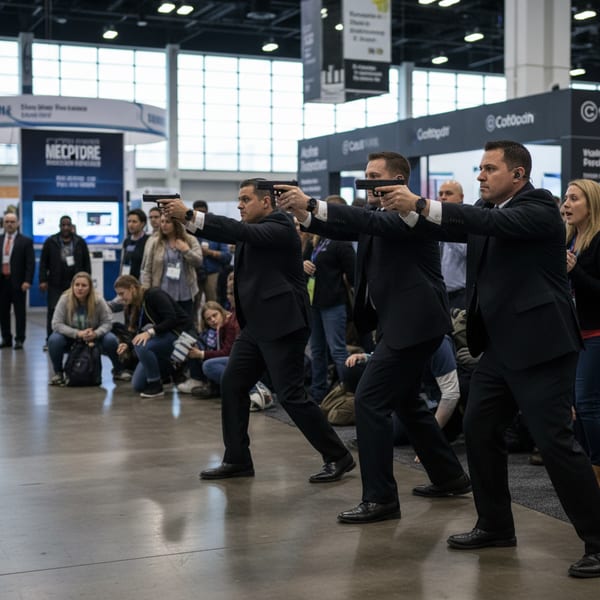
The White House Correspondents’ Dinner, traditionally a lighthearted evening where journalists and Washington insiders gather, became the scene of a shooting that sent shockwaves through the nation. Details about the incident remain under investigation, but the immediate aftermath saw social media platforms flooded with unverified claims and speculation. Law enforcement officials responded to the scene as attendees evacuated the venue in what witnesses described as a chaotic and frightening situation.
Conspiracy Claims Flood Social Media
Before investigators could establish basic facts about the shooting, online influencers launched coordinated efforts to label the entire event an elaborate hoax. These voices, commanding substantial followings across multiple platforms, pushed narratives questioning the authenticity of the incident without presenting credible evidence. The rapid spread of these theories demonstrated the growing challenge facing Americans trying to distinguish fact from fiction during breaking news situations. Some influencers cited inconsistencies they claimed to observe in early reports, while others suggested political motivations behind an alleged staged event.
Pattern of Misinformation
This incident follows a disturbing pattern where significant news events immediately trigger waves of conspiracy theories before facts emerge. The White House Correspondents’ Dinner shooting represents another test case for how Americans consume and process information in real time. Social media companies face mounting pressure to address the spread of false claims without infringing on free speech principles protected by the First Amendment. The challenge grows as influencers gain larger audiences and traditional gatekeepers of information lose their monopoly on news distribution.
What This Means
The shooting and subsequent conspiracy theories highlight fundamental questions about media credibility and information warfare in modern America. As investigations continue into the actual incident, the secondary story about how quickly misinformation spreads may prove equally significant. Americans must navigate an increasingly complex information landscape where unverified claims reach millions within minutes of any major event. The incident serves as a reminder that critical thinking and source verification remain essential skills for citizens seeking truth in an age of instant communication and competing narratives.