
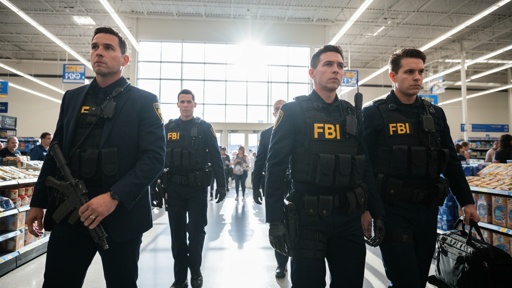
Lie-detector tests inside the FBI are back in the spotlight—raising a hard question for Americans who want both a clean Bureau and a Constitutionally limited government: is this about stopping leaks, or policing loyalty?
Polygraphs Ordered Amid Leak Fears and Internal Turbulence
Reporting published in late 2025 described Patel ordering polygraph tests for more than two dozen people, including current and former members of his security detail, along with IT professionals and other staff. The stated context in the coverage was leak anxiety after damaging press accounts, with sources portraying Patel as isolated from senior Bureau leadership. The FBI, however, has disputed elements of the story, complicating efforts to verify what was ordered, why, and how broadly it was applied.
The timeline in the provided research ties the polygraphs to a period after a high-profile magazine profile alleged staff concern about Patel’s behavior and management style. Patel denied those allegations and later pursued a major defamation suit connected to that reporting. According to the same research summary, media coverage also described a criminal leak investigation—an assertion the FBI denied. That split matters: without confirmed documentation, readers are left weighing anonymous sourcing against official denials and the known reality that polygraphs can be used for legitimate counterintelligence work.
Waivers, “Inconclusive” Results, and Questions of Equal Standards
A separate thread in the research focuses less on forcing polygraphs and more on waiving them. Defense-focused reporting and an investigative outlet described instances where polygraph requirements were waived for senior staff, including Deputy Director Dan Bongino and other close aides. The reporting indicates results described as “inconclusive” or otherwise not meeting normal thresholds, yet access and roles proceeded via waivers. During a Senate Judiciary exchange, Sen. Dick Durbin raised concerns about what he characterized as “disqualifying alerts” being overridden, highlighting Congress’ oversight interest in uniform security vetting.
From a governance standpoint, the core factual issue is consistency. The public interest case for polygraphs rests on protecting classified information and deterring espionage or leaks. The public interest concern arises when polygraphs appear to be used selectively—strict on line employees but flexible for politically connected leadership—or when questions drift from national security into policing speech. The research also references reporting that polygraph questioning can touch on media contacts or negative comments about leadership, an approach that, if accurate, would collide with basic expectations of whistleblower channels and lawful oversight.
What the FBI Has Denied—and What Remains Unclear
The FBI response included denials related to “failures” and claims that media reports misrepresented protocols. That distinction is important because polygraph outcomes are often categorized in ways that do not neatly equal “pass” or “fail,” and “inconclusive” results can still trigger additional review. The provided research also notes the FBI disputed claims about a leak probe and Patel being “walled off” from senior leaders. With no post–Nov. 2025 update included here, readers should treat operational details as unresolved absent formal documentation.
The lack of clarity is not just a media problem; it is a trust problem. Americans have watched federal agencies swing from lax enforcement in some areas to aggressive enforcement in others, often depending on politics. In that environment, transparency becomes critical—especially for an institution as powerful as the FBI. The Constitution does not require the Bureau to conduct its internal security deliberations in public, but it does demand that government power be constrained, accountable, and not weaponized against lawful speech or dissent.
Broader Stakes: Morale, Capability, and Constitutional Boundaries
The research also describes a wider shakeup: roughly 50 career FBI officials reportedly fired or pushed out since early 2025, framed in part around investigations tied to Trump and Jan. 6. That context shapes how the polygraph story is interpreted. A Bureau that loses experienced personnel may face operational strain, even if some removals are justified. At the same time, a Bureau that cannot control leaks risks politicized sabotage and broken chains of command. Both realities can be true at once, and the public deserves clear lines separating security discipline from political loyalty testing.
Kash Patel forced polygraph tests on more than a dozen staff as 'paranoia' grips FBI chief https://t.co/xslbJy5oNB
— Daily Mail (@DailyMail) May 8, 2026
For conservatives who want the FBI to return to mission—violent crime, counterterrorism, and counterintelligence—the key question is whether current reforms are building a more professional agency or simply trading one kind of politicization for another. Polygraphs are not new, but their legitimacy depends on narrow use, consistent standards, and respect for lawful reporting channels. Based on the provided research, the story remains active but incomplete, with official denials, unresolved oversight questions, and no verified public resolution included in the materials available.
Sources:
FBI Director Waived Polygraph Tests for Deputy, Senior Staff
FBI Director Kash Patel and Dan Bongino waived polygraph