A leaked Pentagon email reveals the Trump administration considering suspending Spain from NATO after its socialist government refused to back U.S. operations against Iran, raising alarms about alliance loyalty.
Pentagon Email Leak Exposes Alliance Tensions
A leaked internal Pentagon email, reported around April 24, 2026, outlines options to suspend Spain from NATO. The document targets Spain’s socialist government for refusing support in U.S.-led operations against Iran, described as a war or blockade. Pentagon officials drafted the proposal amid escalating tensions, also suggesting punishments for other insufficiently supportive allies. This internal discussion underscores U.S. frustration with partners not pulling their weight in critical missions. Spain hosts key U.S. bases, amplifying the stakes of any rift.
Spain’s Refusal Blocks U.S. Military Access
Spain denied U.S. military aircraft access to its airspace for Iran-related operations. Defense Minister Margarita Robles confirmed the blockade of joint bases at Rota and Morón, vital hubs for U.S. logistics into Europe, Africa, and the Middle East. Spanish officials made this stance clear from the outset, prioritizing sovereignty and avoiding entanglement in the conflict. This refusal directly prompted the Pentagon’s punitive considerations, straining a key NATO partnership. U.S. forces now face logistical hurdles in the region.
President Trump, in his second term, leverages this to demand accountability. Spain’s actions echo past laggard behavior on defense spending, contributing minimally proportionate to its economy. Trump’s aggressive foreign policy revives first-term pressures on NATO allies to meet obligations.
Broader Implications for NATO and America First
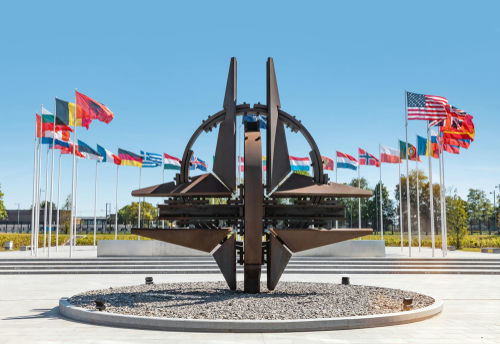
The email extends scrutiny to allies like the UK, proposing a review of its Falklands claim for similar shortcomings. NATO lacks a direct suspension mechanism; any action requires consensus among 32 members, rendering unilateral U.S. moves improbable. Still, the proposal embodies Trumpian brinkmanship to enforce loyalty. The U.S. funds 22% of NATO, providing leverage despite treaty barriers. This episode reveals deepening cracks in the alliance, fueled by divergent priorities.
Short-term effects include diplomatic rifts and potential base access disputes, disrupting U.S. operations and local jobs. Long-term, pursuing suspension could erode NATO cohesion, pushing allies toward EU defense alternatives. Political fallout boosts European populists, while social tensions rise if Iran hostilities escalate. Defense sectors face volatility from fractured arms trade ties.
U.S. Weighs Suspending Spain from NATO After Socialist Government Refuses to Support Iran Operations https://t.co/3FbaScMV8v #gatewaypundit via @gatewaypundit
— Rosetta Atchley (@RosettaAtchley5) April 24, 2026
Shared Frustrations with Globalist Elites
Americans on both sides of the aisle share growing distrust in institutions like NATO, seen as serving elite interests over national ones. Conservatives applaud Trump’s pushback against socialist freeloaders undermining U.S. security, aligning with limited government and America First values. Liberals decry alliance fractures widening global divides, yet both recognize federal overreach and unaccountable alliances failing everyday citizens. This saga spotlights how entrenched powers prioritize self-preservation, eroding the founding principles of sovereign nations cooperating freely.
Sources:
Pentagon email floats suspending Spain from Nato over Iran war snub
Trump Administration Weighs Suspending Spain’s NATO Membership