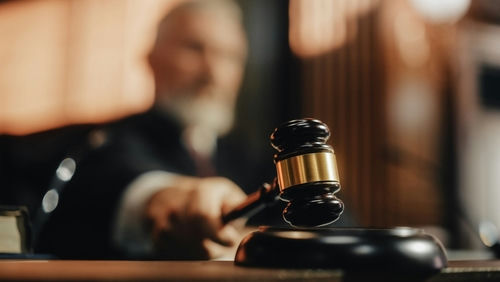
Hunter Biden won a $1.7 million punitive damages award against former Overstock chief Patrick Byrne after a federal judge found Byrne liable in the defamation case.
Quick Take
- A federal judge in Los Angeles awarded Hunter Biden $1.7 million in punitive damages.
- The court also gave Biden $1 in nominal damages and more than $34,000 in sanctions.
- The case centered on Byrne’s claims that Biden sought a bribe from Iran.
- The ruling came after Byrne failed to take part in the trial process.
What the Judge Awarded
A federal judge in Los Angeles said Hunter Biden was entitled to punitive damages after Patrick Byrne skipped key parts of the case and did not appear to defend himself at trial. Courthouse News reported that the court awarded Biden $1.7 million in punitive damages, plus $1 in nominal damages and $34,969.20 in court-ordered sanctions already owed by Byrne. The award gives Biden a major courtroom win in a case built around claims that Byrne spread false statements about him.
According to the complaint, Byrne accused Biden of trying to arrange a bribe with Iran in exchange for help unfreezing Iranian money. Politico reported that Biden sued Byrne in 2023 over those statements, calling them false and defamatory. Biden’s legal team argued that the claims were not just wrong, but damaging enough to justify a large civil judgment. The case moved forward in federal court in California, where the judge later issued the damage award after Byrne defaulted.
Why the Case Matters
The case sits inside a larger and familiar legal fight over public figures, free speech, and the high bar for defamation. In general, public figures must show “actual malice,” meaning the defendant knew the statement was false or acted with reckless disregard for the truth. That standard exists to protect political speech and sharp criticism. But when a defendant does not show up and contest the claims, the court can enter default rulings that leave the plaintiff with a much easier path to damages.
That is the practical lesson here. Byrne’s absence meant the judge did not get the kind of back-and-forth test that usually shapes defamation trials. The result was not just a symbolic win for Biden. It became a financial judgment with real bite. For readers who value due process and a fair hearing, the case shows how much turns on whether a defendant actually fights the charges instead of walking away from court.
Byrne’s Default Changed the Outcome
Courthouse News reported that the court had already warned Byrne about penalties tied to his failure to participate, including a possible $5 million sanction before the final ruling came down. The judge then moved to award punitive damages after finding the case had reached the point where Biden’s claims were established by Byrne’s default. That is a stark reminder that civil court can move fast when one side refuses to engage. It also left Byrne exposed to a judgment that now carries both symbolic and financial weight.
Hunter Biden Scores $1.7 Million in Damages From Former Overstock CEO in Defamation Case https://t.co/IucG2iEHRm
— Mediaite (@Mediaite) July 11, 2026
The broader context also matters because Biden’s suit was never about a public policy debate or a political opinion. It was about specific accusations tied to bribery and foreign money, which made the dispute more concrete than a typical partisan shouting match. Defamation law does protect a great deal of speech, but it does not shield made-up factual claims that can harm someone’s name. In this case, the court’s award suggests those lines were crossed, at least for purposes of civil liability.
Sources:
mediaite.com, reddit.com, yanglawoffices.com, docs.justia.com, courthousenews.com, courtlistener.com, susmangodfrey.com, aclu.org, law.stackexchange.com