Britain’s high-profile tanker detention raises big sanctions questions that could hit global oil flows and family budgets.
Story Snapshot
- British forces detained a sanctioned tanker, Smyrtos, tied to Russia’s “shadow fleet,” in the English Channel [1].
- The United Kingdom called it the first operation of its kind and linked it to cutting war funds for Russia [1].
- Reports describe Royal Marines and multiple agencies in a six-hour air-sea action [2].
- Public proof of the ship’s shadow-fleet status has not been released, leaving key facts unverified [1].
What Britain Says Happened and Why It Matters
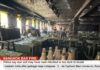
British authorities said armed forces boarded and detained the tanker Smyrtos on Sunday in the English Channel. Officials described the ship as part of Russia’s “shadow fleet” and under sanctions. The United Kingdom Defense Ministry said this marked the first United Kingdom-led operation of its kind, and that the vessel would be held and monitored off England’s south coast. Prime Minister Keir Starmer framed the action as hitting resources that fuel Russia’s war in Ukraine [1].
Reports described a large, planned effort. Coverage cited Royal Marines on the boarding team with support from the National Crime Agency, a Royal Air Force P-8 patrol aircraft, and Royal Navy ships, over about six hours. French authorities were described as coordinating with the British side. This scale signals a clear enforcement message on sanctions at sea and a test of allied resolve in busy shipping lanes near the United Kingdom [2].
What We Know, What We Do Not, and Why That Gap Matters
Officials tied the detention to cutting off war revenue and deterring sanctions evasion [1]. But the public record does not yet show the hard evidence for calling Smyrtos a shadow-fleet ship. The reports do not present ownership records, insurance details, cargo data, or tracking proof of risky behavior. The ship’s name appears with minor inconsistencies across outlets, which adds noise. No detention warrant, boarding authority, or court filing has been shared so far [1].
This evidence gap is common in maritime sanctions cases. Governments may rely on intelligence that they will not disclose. That can protect sources. It can also leave citizens in the dark. When facts stay sealed, narratives harden before proof appears, and the public cannot weigh trade-offs. If this detention is sound, transparency on the legal basis and key ship records would help allies, markets, and voters judge the action on the merits [1].
How This Touches American Families and Energy Costs
Global oil prices react to risk, not just barrels. Boarding tankers in the Channel can raise insurance and freight costs fast. That pressure shows up at the pump and in heating bills. American families remember how elite plans for energy “transitions” pushed prices up while wages lagged. A sanctions move that is justified and clear can deter bad actors. A move that is vague can rattle markets and reward middlemen. Clarity protects consumers by cooling panic.
The head of the Russian Direct Investment Fund: Starmer is diverting attention from the migration crisis by detaining a tanker in the English Channel
⚫Kirill Dmitriev, the head of RDIF, commented on reports about the detention of the tanker Smyrtos.
According to him, "Instead… pic.twitter.com/4Lu76Ikwrk
— S p r i n t e r (@SprinterPress) June 14, 2026
The Trump administration faces a hard balance abroad and at home. The United States supports strong, lawful sanctions that squeeze war funds, but it must guard American energy security and trade routes. Washington should press London and Paris to share the unclassified backbone: the legal grounds, the specific sanction link, and any port-state-control findings. That helps allies sing from the same sheet and helps our regulators and shippers plan without guesswork.
What Congress, States, and Citizens Should Watch Next
Congress should request a closed briefing on the incident’s basis and likely market effects. The administration should publish a consumer-impact note if regional shipping insurers raise rates. State leaders should stress fuel supply resilience before hurricane season. Citizens should track whether the United Kingdom releases the detention order or ownership chain. If the evidence is strong, the case builds a model for future actions. If not, it risks chilling lawful trade and raising costs [1].
American principles call for peace through strength and the rule of law. That means stopping sanctions evaders who fund war. It also means due process and public accountability, so power does not drift into secrecy or mission creep. The right path is firm but clear: share what can be shared, prove the case, and target the guilty without punishing families at the pump. The truth should outlast the headlines—and guide the next operation [2].
Sources:
[1] YouTube – Britain detains sanctioned oil tanker believed to be linked to …
[2] Web – Britain detains sanctioned oil tanker believed to be linked … – WSLS …