A San Diego mosque massacre now appears to trace back to a chilling combination of teen radicalization, clear hate indicators, and a warning call to police that came hours too early to stop the bloodshed.
What investigators say happened outside the Islamic Center of San Diego
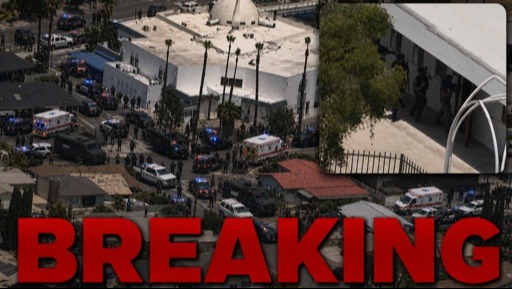
San Diego Police received 911 calls around 11:43 a.m. reporting an active shooter at the Islamic Center of San Diego, the county’s largest mosque. Officers arrived roughly four minutes later and found three adult male victims dead outside, including a long-time security guard. Police then tracked the suspected getaway vehicle a few blocks away and found two teen suspects dead inside, apparently from self-inflicted gunshot wounds.
Witnesses also reported a drive-by shooting attempt nearby around 11:48 a.m., when the attackers allegedly fired toward a landscaper while yelling; the landscaper was not hit. The timeline, while varying slightly by minute across outlets, points to a tight window between the first emergency calls and the end of the incident. FBI agents later assisted local investigators, including executing search activity tied to a suspect’s home and vehicles.
Why police quickly treated it as a hate-crime case
San Diego Police Chief Scott Wahl publicly confirmed investigators were examining the attack as a hate crime. That posture was driven by reported evidence recovered from the weapons and vehicle: anti-Islamic writings, “hate speech” written on a firearm, and ideological material indicating racist beliefs. Investigators also reported finding Nazi symbolism, including an SS sticker on a fuel container, reinforcing the view that the violence was targeted and ideological.
One suspect reportedly left a suicide note containing writings about racism or “racial pride,” adding another data point about motive. Because the shooters died at the scene, much of what the public knows is being reconstructed from physical evidence, law-enforcement briefings, and early reporting. Authorities have not publicly released a final federal assessment of whether the case meets the legal definition of domestic terrorism, leaving that determination incomplete for now.
The warning call that reignited questions about government competence
The most politically volatile detail in the timeline is the pre-incident warning. Around 9:42 a.m., the mother of one suspect called San Diego Police to report her son missing and suicidal, last seen wearing camouflage, with her car and several firearms missing. Chief Wahl said three weapons were reported stolen. That kind of direct family warning is unusually concrete compared with many mass shootings—and it raises inevitable questions about what systems did, or didn’t, activate.
Broader context: protecting religious freedom without empowering extremists
The Islamic Center of San Diego has been targeted before. During the Gulf War, an attempted bombing hit the same mosque on January 11, 1991; the device was defective, but the incident came amid hateful calls and anti-Muslim sentiment. In 2026, the attack landed on the first day of Dhul Hijjah, a significant period in the Islamic calendar, intensifying fear among families who rely on houses of worship as community anchors.
Shooters And Motives Revealed In San Diego Mosque Shooting That Killed Three https://t.co/vI0bwgoO7p
— zerohedge (@zerohedge) May 19, 2026
Civil-rights advocates point to a wider climate of anti-Muslim incidents, with CAIR reporting 2025 had the highest number of bias and discrimination complaints against Muslims since it began tracking in 1996. At the same time, the policy debate is headed for familiar fault lines: calls for stronger “red flag” approaches versus concerns about due process and government overreach. The hard reality is that Americans want both safety and liberty—and repeated failures to prevent targeted violence deepen distrust in institutions.
Sources:
2026 Islamic Center of San Diego shooting
5 dead in attack at San Diego mosque; anti-Islamic writings found