
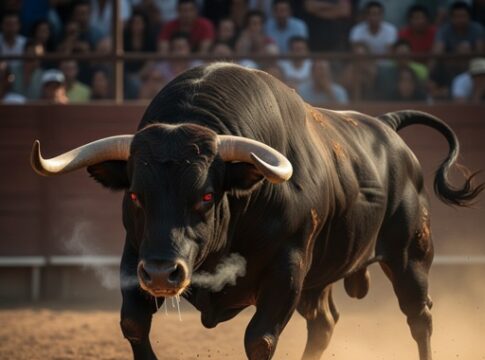
As Pamplona’s bulls thunder through tight streets at 8 a.m. sharp, a centuries-old religious festival again defies global pressure to cancel it.
Story Highlights
- The San Fermín festival honors Saint Fermín with set rituals and attire
- The bull run starts at 8 a.m. each day, July 7–14, on a fixed route
- Animal-rights groups claim the bulls face cruelty and later death in the ring
- Supporters frame the event as a deep cultural and community tradition
What San Fermín Is And Why It Endures
Organizers in Pamplona begin the San Fermín festival each year at noon on July 6 and close it on July 14, keeping a clear schedule that has stood for generations. The running of the bulls takes place daily at 8 a.m. from July 7 to July 14, following a recognized route into the city’s bullring. Locals and visitors dress in white with a red sash and scarf, a custom tied to the martyrdom of Saint Fermín, the patron honored in processions and prayer.
Local guides describe San Fermín as more than a single race. People gather for the opening rocket, known as the launch that starts the party, giant-figure parades, music, and family events across the city. Supporters say the dress code, the morning start, and the faith rituals create order and meaning. The clear calendar and rituals signal a community ceremony, not a random street stunt, and help explain why the festival still draws crowds every year.
The Cultural Case: Tradition, Faith, And Civic Identity
Writers who support the event point to the 12th century roots of the festival as proof of deep continuity, while also stressing the religious procession held on July 7 to honor Saint Fermín. They argue that shared clothing, songs, and the presence of families show a living civic identity. This view frames San Fermín as a cultural landmark that mixes faith and town pride, with the bull run acting as one part of a larger, structured celebration.
However, the record offered by proponents relies mostly on blogs and summaries, not original church or city archives. The cited 12th century origin appears in secondary sources without a direct document trail. That leaves open questions about exact dates and early practices, even as the modern schedule and rituals are well documented. A formal release of older records could strengthen the historical case and reduce debate over the event’s roots.
The Animal-Welfare Challenge And Why It Resonates
Groups that oppose the event claim the bulls are terrified, shoved through slippery streets, and then killed in the ring later the same day. They describe repeated stabbing and a slow death, portraying the entire pipeline from street to arena as abuse rather than culture. These organizations call for travel boycotts and pressure sponsors. Their message spreads quickly online and often sets the international narrative each July.
Running of the bulls in Spain's Pamplona https://t.co/EO8i2ETXRO
— Reuters (@Reuters) July 9, 2026
Opponents present vivid scenes and strong language, but they do not usually dispute the festival’s schedule, religious elements, or attire. Their focus is the treatment of the animals and the fights that follow the morning run. They argue no tradition can justify such harm. Because their claims involve specific acts in the ring, they tend to gain media traction worldwide, even when local supporters emphasize faith, order, and community duties that frame the week.
Balancing Heritage With Modern Scrutiny
Pamplona maintains a consistent timetable, attire norms, and religious rites, which are simple to verify. The cultural picture is clear: it is a community festival with a daily run inside a bigger civic and faith setting. Yet the claims about cruelty are also concrete and graphic, and they fuel yearly protests. That clash is part of a wider global pattern where older rituals meet modern animal welfare standards and face harsh judgment beyond local borders.
For readers who care about faith, order, and local self-rule, two facts stand out. First, the city runs a disciplined event that ties to a patron saint and long-held customs. Second, the loudest international voices define the event by the afternoon ring, not the morning rite. Better primary records and transparent data would help the public weigh heritage against harm. Until then, both sides will keep telling very different stories from the same streets.
Sources:
youtube.com, chasingredmovie.com, northernspaintravel.com
Don’t criticize it until you’re actually participated in a running or at least have attended the festival to get a better understanding of the cultural significance.